
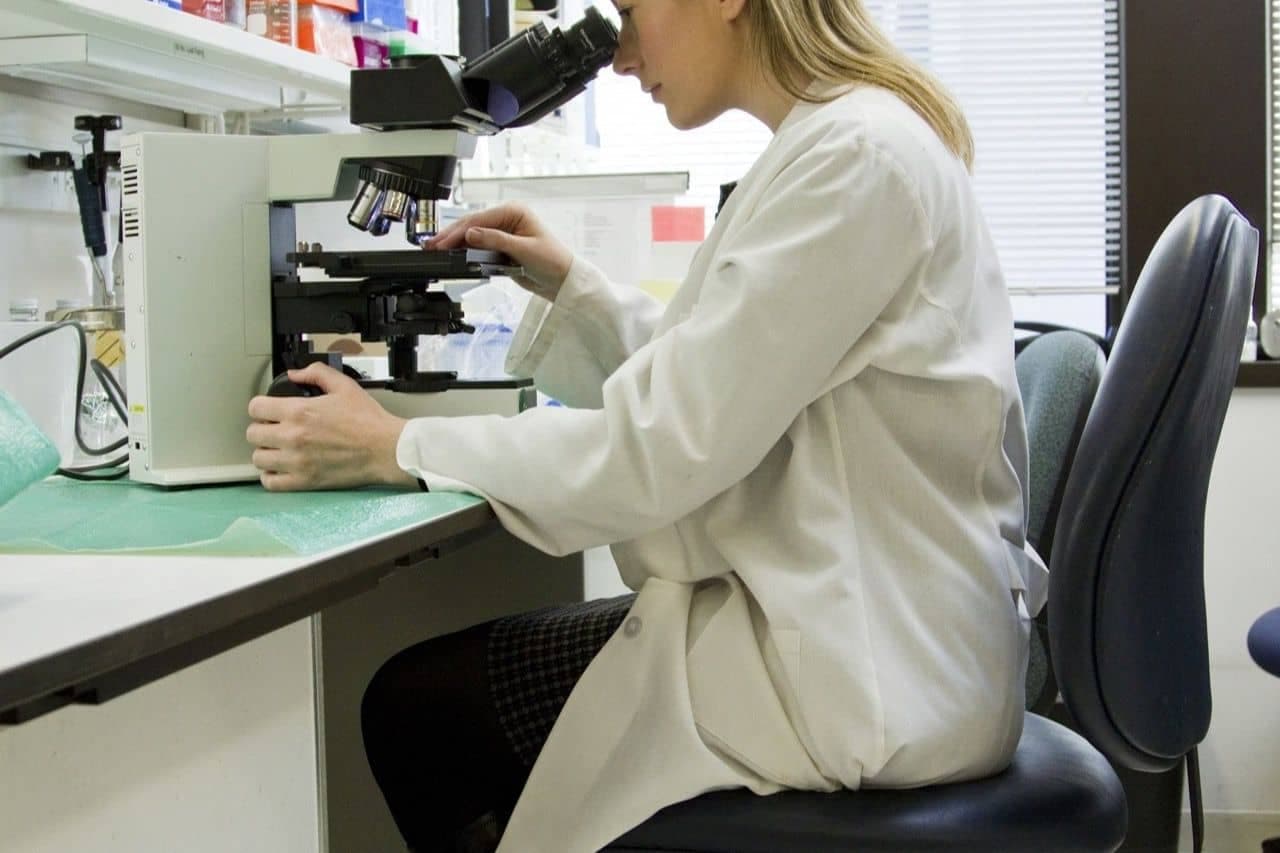
Dr Isah A. Baba
Senior Research Scientist, Lead Climate & Health Modelling Research Cluster

Role
Senior Research Scientist, Lead Climate & Health Modelling Research Cluster
About Dr Isah A. Baba
I am a mathematician and researcher with a strong specialization in epidemiological modeling and the mathematical analysis of infectious diseases. My academic and professional trajectory reflects a sustained commitment to applying rigorous quantitative methods to public health challenges, particularly within the framework of deterministic compartmental models.
I obtained my PhD in Mathematics from Near East University, Cyprus, in 2018. My doctoral research focused on the mathematical modeling of multiple strains of influenza, where I developed and analyzed SIR-type and extended compartmental models to investigate transmission dynamics, strain interaction, threshold behavior, and stability properties. My work combined qualitative analysis—such as equilibrium and reproduction number derivation—with quantitative simulation techniques to provide insights into disease control strategies.
In 2023, I completed a postdoctoral research fellowship at King Mongkut's University of Technology Thonburi, Thailand. During this period, I further strengthened my expertise in advanced epidemiological modeling, incorporating contemporary approaches such as optimal control theory, vaccination strategy modeling, and the integration of awareness and behavioral components into infectious disease frameworks. My postdoctoral research expanded my methodological toolkit to include fractional-order systems and more refined stability analyses, reflecting an interdisciplinary approach that bridges mathematics, epidemiology, and public health policy.
Over the years, I have contributed to research on influenza, tuberculosis, malaria, and other infectious diseases, with particular emphasis on vaccination efficacy, intervention strategies, and disease dynamics in heterogeneous populations. My modeling work typically involves the formulation of structured compartmental systems (e.g., SIR, SEIR, SVIQR variants), derivation of the basic reproduction number, local and global stability analysis, bifurcation assessment, and numerical simulations using platforms such as R and other computational tools.
Beyond research, I have over a decade of academic experience teaching calculus, differential equations, dynamical systems, numerical analysis, and mathematical modeling. This strong theoretical foundation underpins my applied epidemiological research, enabling me to translate complex public health phenomena into analytically tractable and policy-relevant mathematical frameworks.