

Research Facilities
World-class facilities supporting cutting-edge tropical disease research
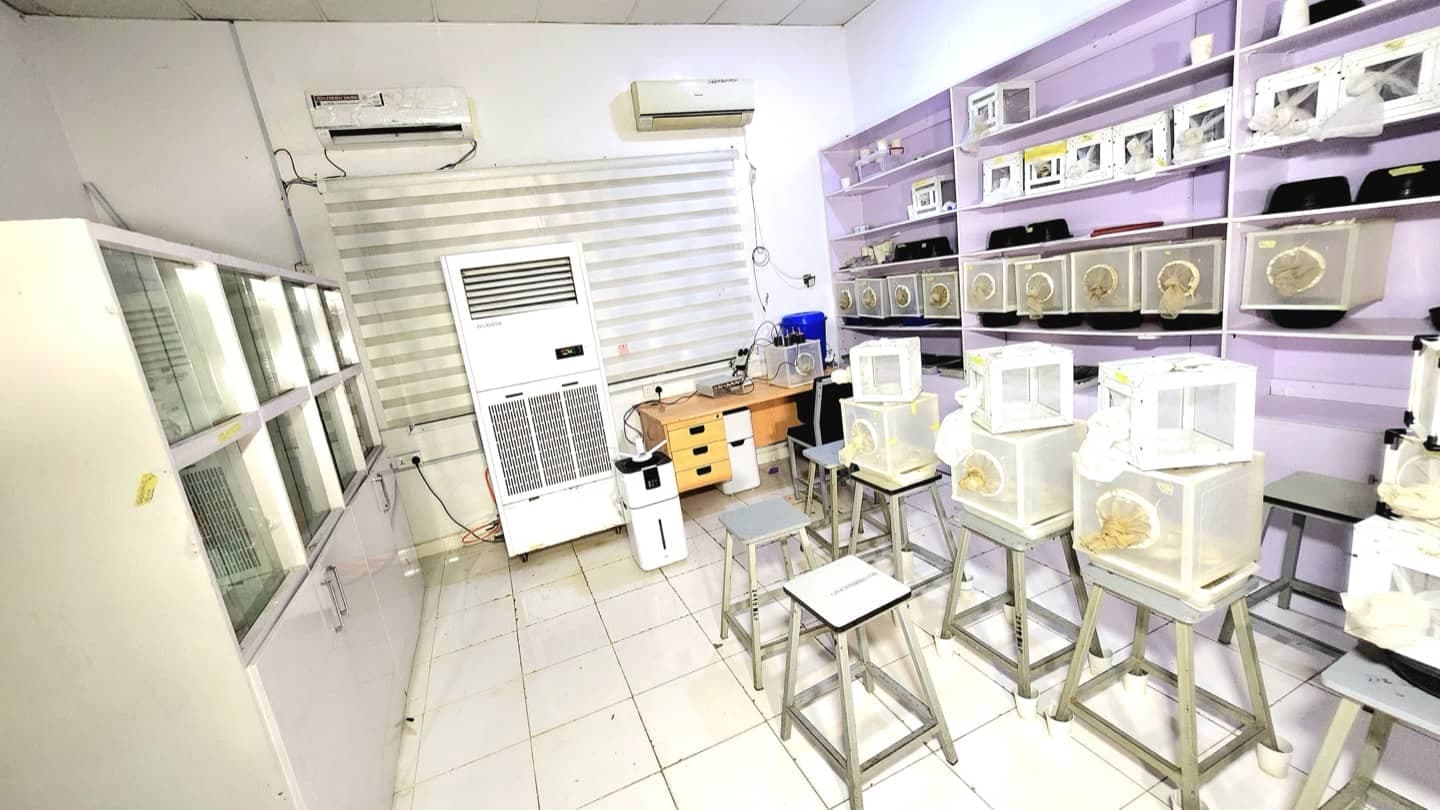
Insectary
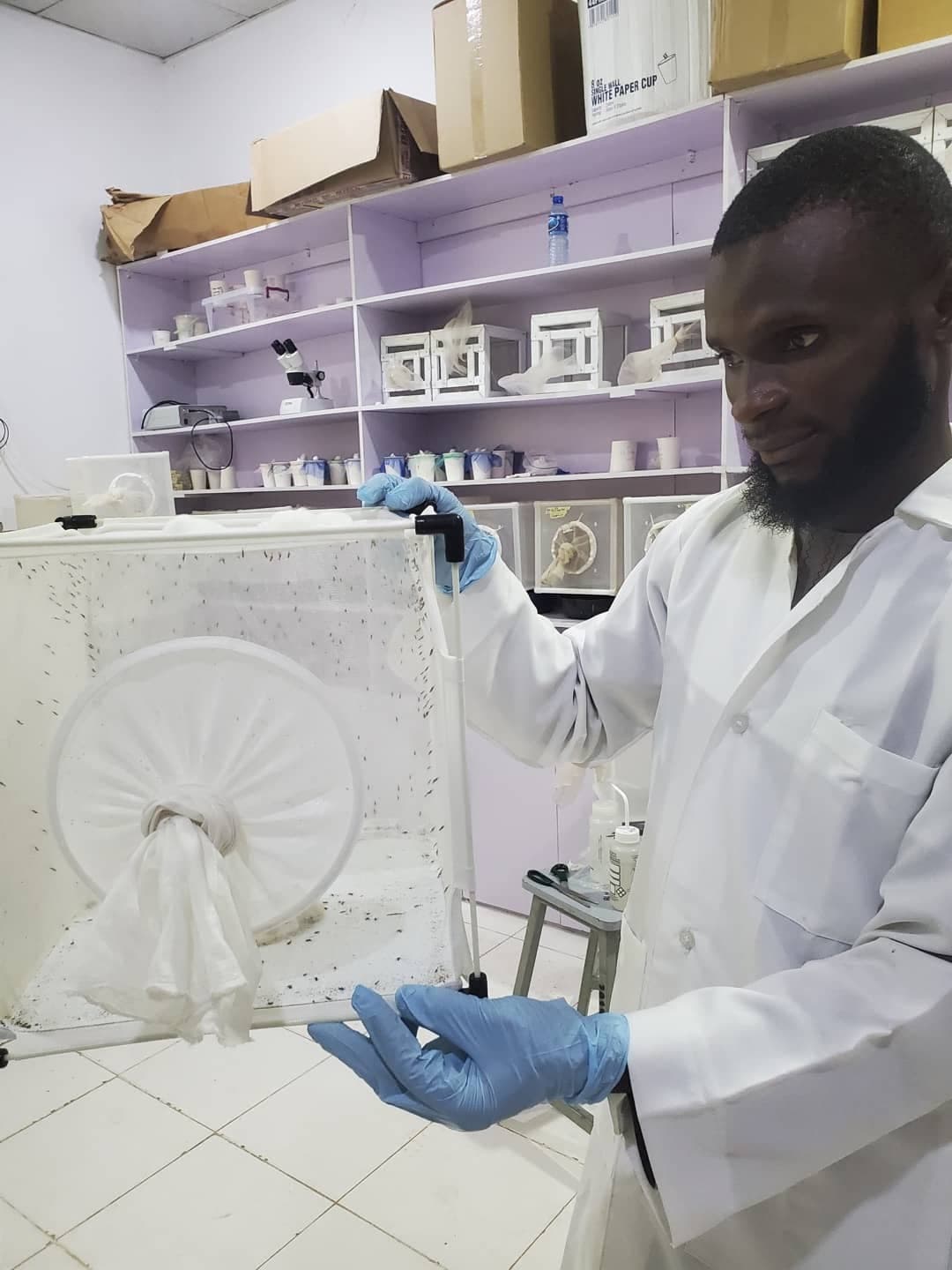
The CTIDR has established a functional insectary and a separate insecticides/pesticides/acaricides testing room, as well as a separate room for experimental infections.
The insectary and the testing rooms are maintained under standard, controlled and monitored conditions using a combination of air conditioning and humidifiers.
Activities in the insectary and testing rooms include:
- Rearing of Anopheles, Aedes and Culex mosquitoes
- Rearing of agricultural pests and ticks
- WHO tubes bioassays with insecticides impregnated papers (WHO 2022)
- WHO- and CDC bottle bioassays with grade insecticides
- Testing the efficacy of bed nets using WHO cone bioassays (Phase 1 bio-efficacy testing protocol, WHO 2013)
Climate Simulation Laboratory
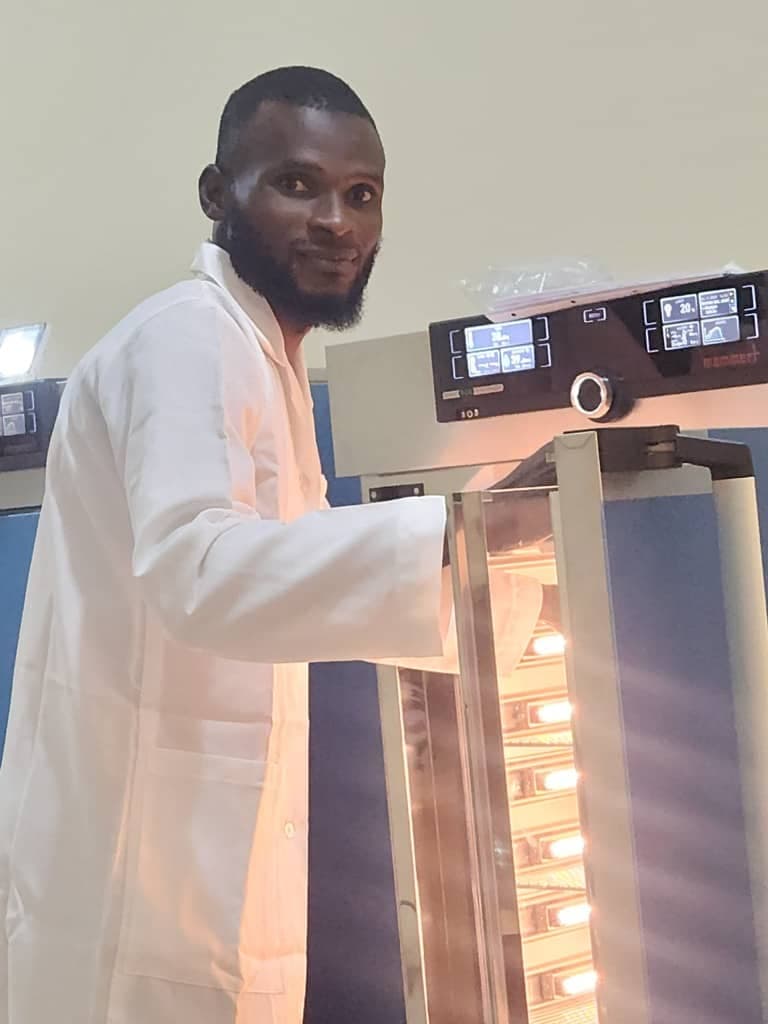
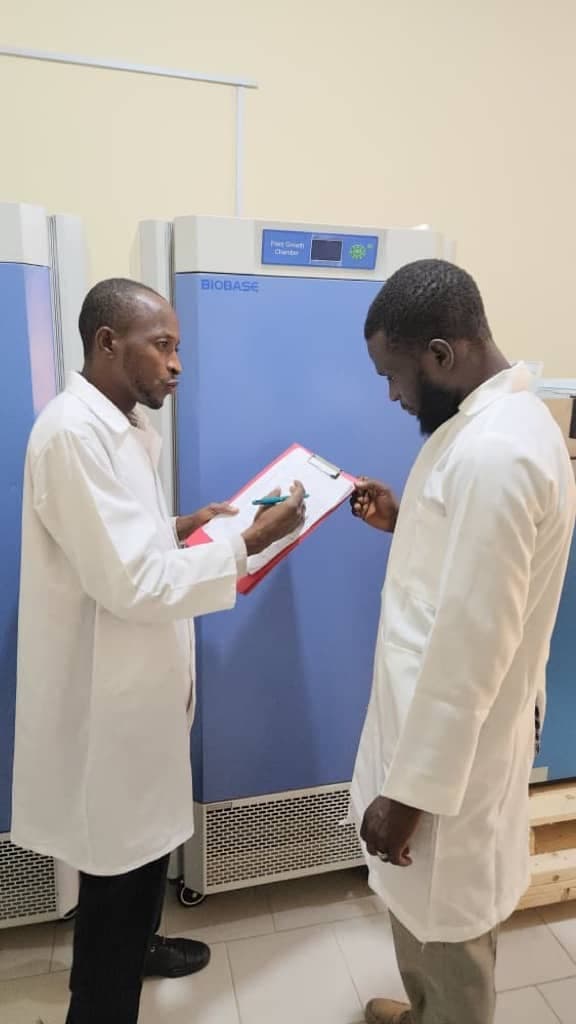
Our climate simulation room is equipped with six Memmert HPPeco climate chambers which provide a range of programmable temperature and relative humidity, as well as light:dark cycles. The chambers are monitored with data loggers. The various climate-sensitive experiments we conduct include:
- Thermal performance fitness traits experiments, including survival rate, development rate, biting rate, gonotrophic cycle length, thermal fecundity and fertility limits assessments, and longevity.
- Experimental infections under contrasting temperature and relative humidity combinations.
- Establishment of the thermal resilience of public health products (e.g., antimalarial medicines and bed nets), at varying temperatures and relative humidity combinations
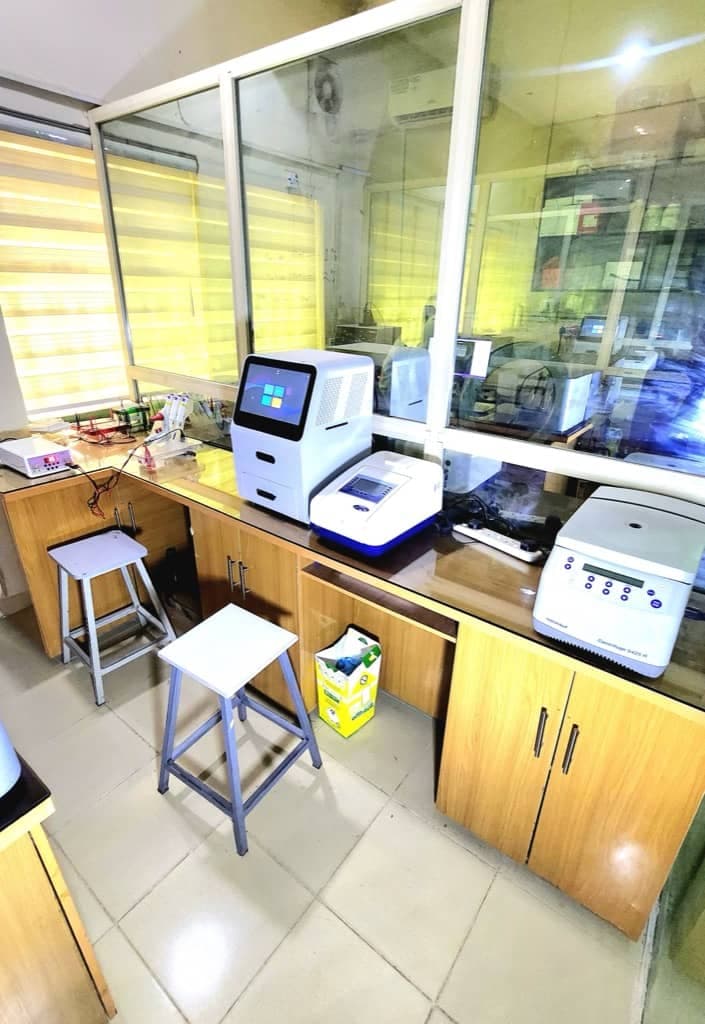
Molecular Biology Laboratory
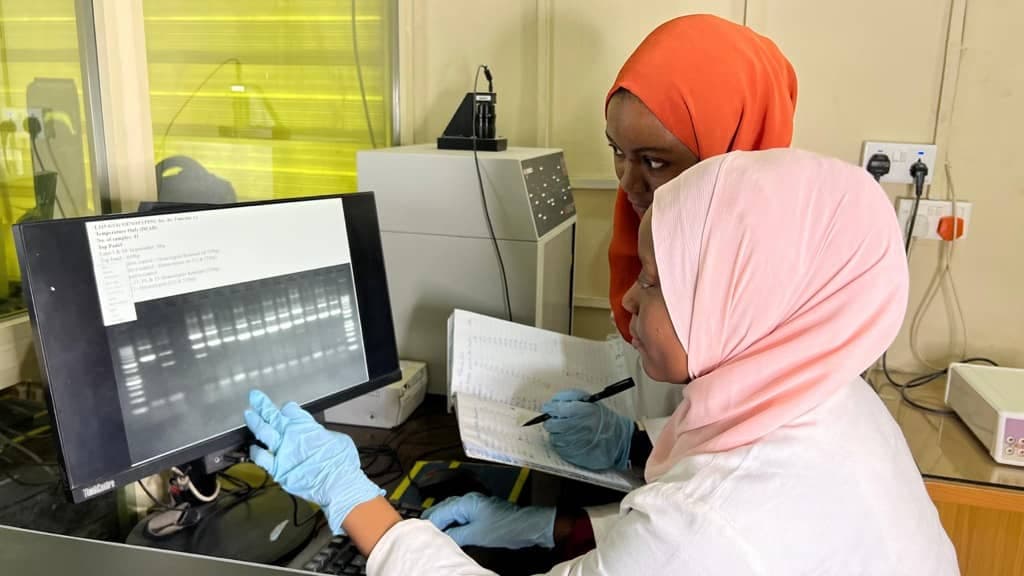
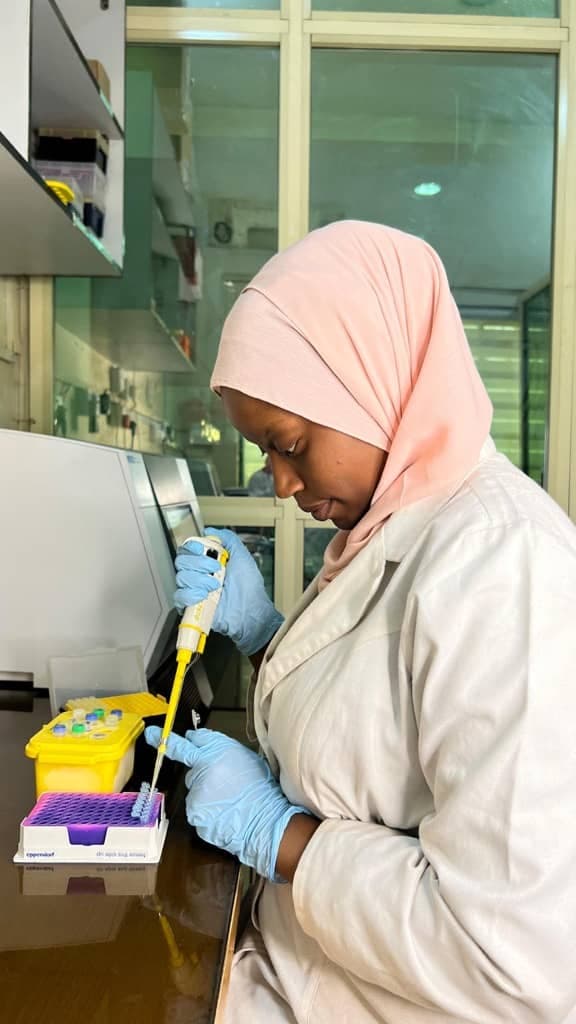
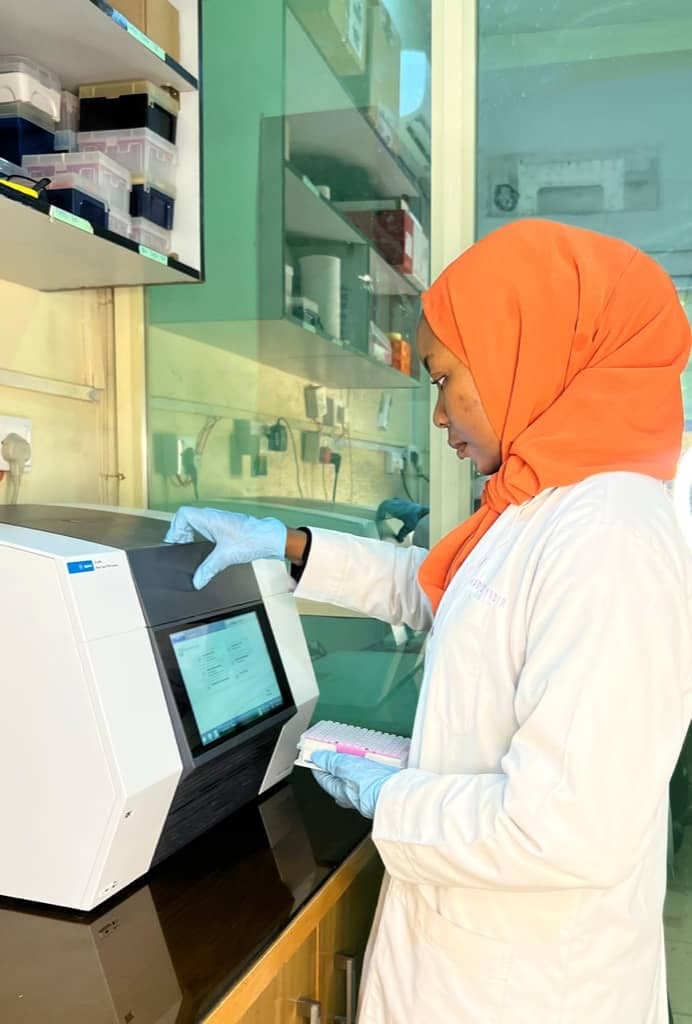
The CTIDR provides safe and conducive laboratory, equipped with state-of-the-art equipment to perform a range of experiments, including:
- Genomic DNA extraction and RNA extraction
- Conventional, nested and multiplex PCR
- Real-time PCR (RT-PCR) and quantitative RT-PCR
- Genotyping: TaqMan genotyping, and allele-specific/discriminating PCR
- Genotyping: PCR + Restriction fragments length polymorphism
- Cloning: PCR, transformation, plasmid preparation and sequencing
- Functional genomics, including RNAi, and GAL4/UAS transgenesis using Drosophila flies
- ELISA for identification of source of blood in mosquito vectors
- ELISA for identification of infection with arboviruses using sera from animals and humans
- Experimental infection with Plasmodium and other pathogen
- Ramping and static assays experiments using circulating water baths
Field Stations
The CTIDR is currently working to establish experimental hut facilities in Garki, Nigeria (the site of Garki Project), which will enable controlled but realistic assessments of vector control interventions under conditions that closely mimic natural household environments. The centre plans to start conducting Phase 2 semi-field assessments using experimental hut trials (EHTs) to evaluate the efficacy of novel vector control tools, including insecticide-treated nets (ITNs) and indoor residual spraying (IRS), against local malaria vector populations. These trials will generate important evidence on mosquito behaviour, insecticide resistance, and the operational performance of emerging vector control technologies. The CTIDR projects this activity to start in 2027.
Field-based evaluation will be undertaken to assess the durability, survivorship, and community acceptability of novel and next-generation insecticide-treated nets (ITNs) under real-world conditions. These Phase 3 studies will examine key indicators such as net attrition, fabric integrity, and bio-efficacy over time, providing critical information on the long-term effectiveness of ITNs and supporting evidence-based malaria prevention strategies.